
Background
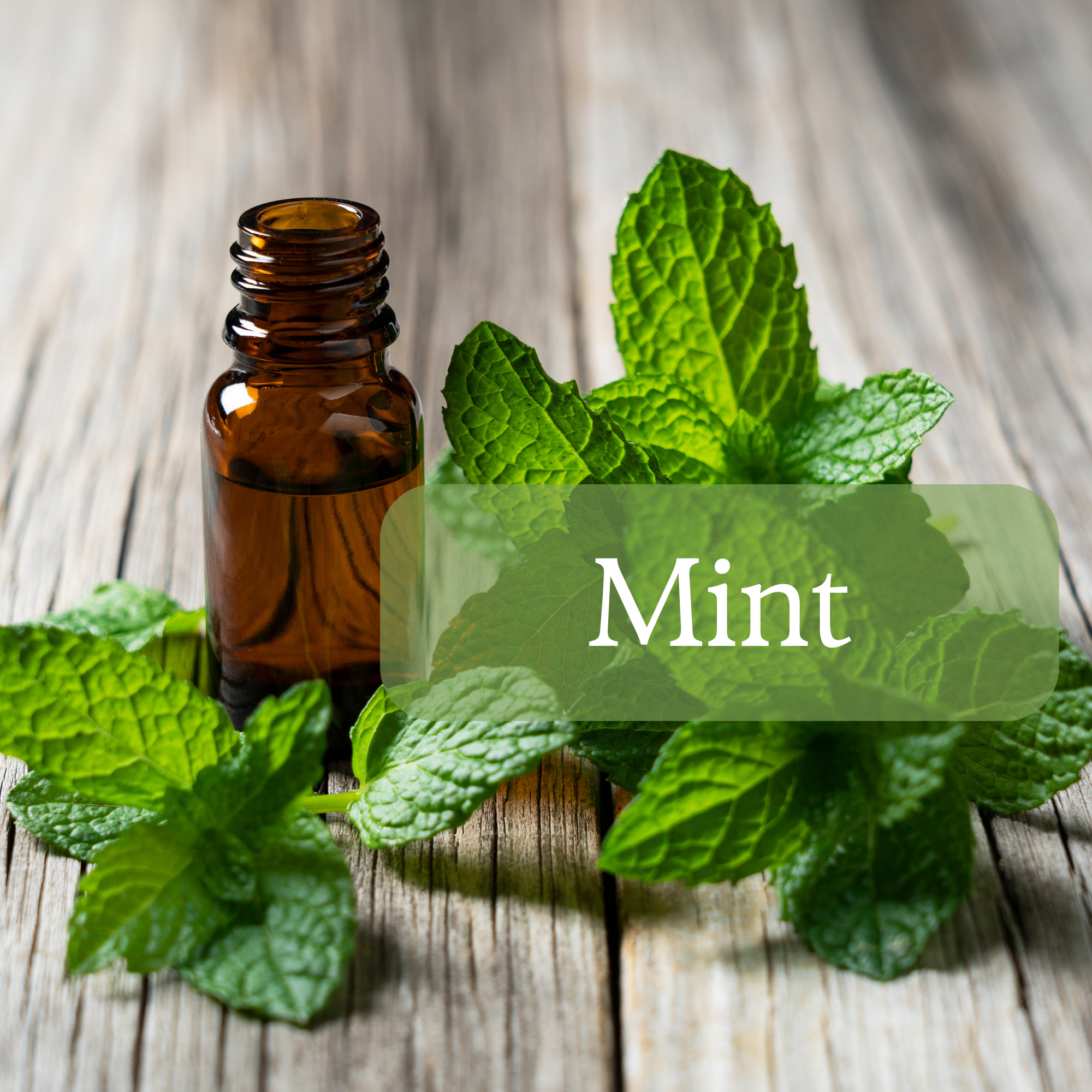
Peppermint (Mentha piperita) is a perennial herb celebrated for its cool, invigorating scent and its long-standing reputation as a digestive and stimulating companion. A natural hybrid of spearmint (Mentha spicata) and water mint (Mentha aquatica), this plant has been cherished for generations for its ability to provide quick sensory refreshment and support physical vitality.
Purpose and Extraction
Peppermint is primarily used to support digestive comfort, ease tension, and invite mental clarity. The essential oil is harvested through steam distillation of the flowering tops and leaves. This gentle process captures the highly potent aromatic compounds—most notably menthol—that grant the oil its characteristic, uplifting intensity.
The Power of Concentration
To truly appreciate the potency of this oil, consider the sheer volume of plant material required: It takes approximately 1 pound (450 grams) of fresh, flowering peppermint tops to produce just one 10 ml bottle of essential oil. This extreme concentration is why a single drop is so impactful and why it must be treated with profound respect. Compare this to the one teaspoon of dried peppermint to brew one cup of tea.
Chemical Family and Energetic Action
Peppermint is primarily composed of monoterpene alcohols (menthol) and ketones (menthone).
- Key Constituent: Menthol
- How it Works: Menthol engages with cold-sensitive receptors (TRPM8 channels) on the skin and mucosal surfaces, creating a soothing cooling sensation that helps ease localized discomfort.
- The Science: Research shows that menthol helps relax smooth muscle, making it a wonderful ally for digestive ease and relieving muscle tension.
- Key Constituent: Menthone
- How it Works: Menthone provides an extra boost of stimulation, supporting the oil’s natural ability to help you stay focused and feel clear-headed.
Blending and Usage
- Aromatic Profile: Peppermint is considered a top note. It harmonizes beautifully with citrus oils such as Lemon (Citrus limon) or Grapefruit (Citrus paradisi) and other mints or eucalyptus species such as Eucalyptus (Eucalyptus globulus), thanks to its high monoterpene content, which provides a bright, penetrating opening to any blend.
- Diffuser Blends (Synergy Spotlight): Try blending 2 drops of Peppermint (Mentha piperita) with 2 drops of Lemon (Citrus limon) and 1 drop of Eucalyptus (Eucalyptus globulus). This bright, crisp combination is perfect for fostering a refreshed and focused atmosphere.
- Topical Blends: For general adult use, a 1%–3% dilution rate is recommended (roughly 6–18 drops of essential oil per 30 ml/1 oz of carrier oil). Peppermint’s cooling spirit pairs lovely with a gentle carrier oil such as Jojoba (Simmondsia chinensis) for temple or neck applications.
Safety and Misconceptions
While Peppermint is a beloved staple in many homes, its potency means it deserves our respect and informed care.
- Dilution Protocol: Always dilute in a carrier oil before applying to the skin to ensure comfort and prevent sensitization.
- Age-Related Safety: Because of its high menthol content, Peppermint should be avoided for young children (under 6 years old) as it can be too strong for their respiratory systems. For little ones, hydrosols or gentler, kid-safe alternatives are much kinder choices.
- Addressing Misconceptions: A common habit is applying Peppermint “neat” (undiluted) or diffusing it heavily in small, closed rooms. Because it is so concentrated, remember that a little goes a long way. Over-diffusing can be overwhelming rather than helpful.
- Mindful Use: Always check in with a trusted healthcare provider if you are pregnant, nursing, or managing specific health concerns, particularly those involving heart or respiratory health.
- Important Note on Ingestion: Because it is so highly concentrated, as mentioned, representing a massive amount of plant material, Peppermint essential oil should never be ingested. While it is a common misconception that essential oils are “natural” and therefore safe to consume, the sheer chemical intensity of 10 ml of concentrated peppermint is far beyond what the human digestive tract is designed to process safely.
Medical Disclaimer: The information provided on this website is for educational purposes only and is not intended to diagnose, treat, cure, or prevent any disease. These statements have not been evaluated by the Food and Drug Administration. Products and advice are not intended to be a substitute for professional medical advice, diagnosis, or treatment. Always seek the advice of your physician or other qualified healthcare provider with any questions you may have regarding a medical condition.

