In the world of natural wellness, the spotlight often lands on essential oils. Yet, the true foundation of any safe, effective blend is the carrier oil. Far from being a simple “dilutant,” a carrier oil is a nutrient-dense, plant-derived fat that serves as the essential vehicle for your skincare. Because essential oils are highly concentrated, they cannot be applied directly to the skin without the risk of irritation. A carrier oil solves this by safely transporting these potent compounds into the skin, ensuring they are absorbed effectively rather than evaporating on the surface. Beyond their role as a safety buffer, carrier oils are rich in their own spectrum of vitamins, antioxidants, and fatty acids that actively nourish the skin barrier, provide lasting moisture, and facilitate the healing processes of the botanical infusions they hold.
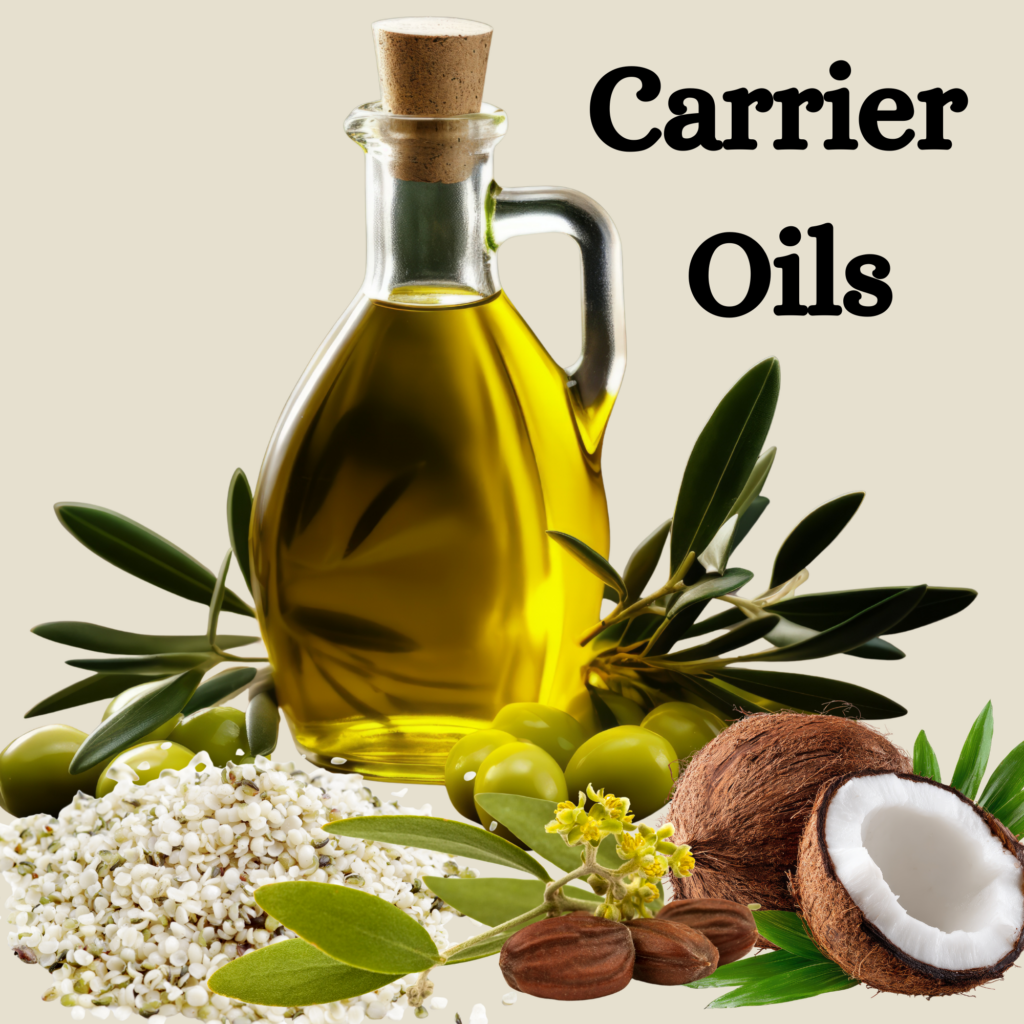
In my own practice, I have explored many carriers, but Hemp seed oil (Cannabis sativa) stands as my primary carrier and the foundation of my oil blends. I choose this oil because it provides a precise, biologically supportive ratio of essential fatty acids, which is roughly 3:1 of Omega-6 to Omega-3. This aligns with the natural lipids found in human skin. This is why it integrates seamlessly into the skin barrier, strengthening it from within. It is classified as a “dry” oil, meaning it has a low viscosity and absorbs rapidly, providing deep, restorative nourishment without leaving a heavy, clogged-pore residue. It is typically obtained through cold-pressing the seeds of the industrial hemp plant, a gentle extraction method that preserves the integrity of its fragile, nutrient-dense profile.
I often receive questions regarding its origins, so it is important to offer this clarity: while hemp seed oil is indeed derived from Cannabis sativa, it is sourced exclusively from industrial hemp varieties grown for fiber and seeds. These seeds contain absolutely no psychoactive cannabinoids (such as THC or CBD), and the oil is used in skincare solely for its impressive nutritional benefits. Because of its high concentration of polyunsaturated fats, it is a delicate oil that should be stored in a cool, dark place to prevent oxidation. As with any botanical product, I always recommend a patch test on your inner forearm before regular use, especially if you have sensitive skin.
While Hemp seed oil is my primary oil, other oils have their place depending on your specific needs. Jojoba “oil,” which is technically a liquid wax ester, is my second focus. It is incredibly shelf-stable, hypoallergenic, and so similar to human sebum that it can help balance oil production for almost any skin type. For those seeking other options, Fractionated Coconut Oil offers an odorless, colorless, and highly stable choice that remains liquid at room temperature, which is ideal for daily body massage. Sweet Almond oil is another classic, medium-weight carrier rich in Vitamin E, though it should be avoided by those with known tree nut allergies.
Ultimately, selecting the right carrier is about understanding your skin’s unique needs. By choosing cold-pressed, unrefined oils and storing them properly, you ensure that every drop you apply is working as hard as possible to support your skin’s health and vitality.
Disclaimer: The information provided in this guide is for educational purposes only and is not intended to diagnose, treat, cure, or prevent any disease. Always prioritize professional medical care for any health concerns.